
Reports

In-depth coverage IBU’s reports, delivering research-driven analysis, data insights, and evidence-based findings. Highlighting key trends, policy implications, and sector-specific developments that support informed decision-making.

Latest Events

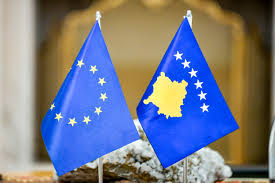
EU report Kosovo

EU report Kosovo

The EU’s latest report on Kosovo notes that the country has made some progress, but reforms remain uneven and often slowed by political tensions and limited institutional capacity. Democratic institutions function, yet political polarization and frequent disputes between government and opposition hinder stable policymaking. The rule of law sector shows partial improvement, particularly in legislation, but the justice system still suffers from inefficiency, backlog, and inconsistent implementation. Corruption and organized crime continue to pose serious challenges, with only modest progress in high-level investigations and convictions. Fundamental rights are generally respected, though concerns remain in media freedom, safety of journalists, and the influence of political actors. The economy demonstrates resilience and moderate growth, but unemployment—especially among youth—and informality remain high. Relations with Serbia and the implementation of the EU-facilitated Dialogue remain the most critical political issue, with limited progress and periodic tensions in the north affecting overall stability. Overall, Kosovo is advancing toward the EU, but significant and sustained reforms—particularly in the rule of law, governance, and normalization of relations with Serbia—are essential for further integration.

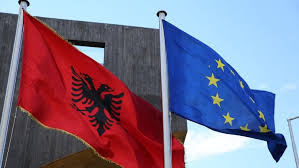
Albania EU report

Albania EU report

The EU’s latest report on Albania highlights continued commitment to the EU reform agenda, with notable progress in judicial reform, anti-corruption measures, and public administration modernization. The justice system has been significantly reshaped through the ongoing vetting of judges and prosecutors, improving integrity but still causing delays and institutional gaps. Anti-corruption bodies are more active, though high-level convictions remain limited. Democratic institutions function, yet concerns persist regarding the concentration of power, limited parliamentary oversight, and the need for more inclusive political dialogue. Media freedom remains fragile, influenced by political pressure, economic dependence, and challenges to journalists’ safety. The economy is stable and growing, with improvements in fiscal management and investment climate, though informality and youth unemployment remain serious obstacles. Albania has advanced in aligning with EU legislation, but must deepen reforms in rule of law, governance, and fundamental rights to maintain momentum in accession negotiations. Overall, the report acknowledges steady progress but stresses that sustained implementation and stronger institutional independence are crucial for the next stage of EU integration.

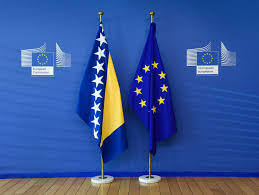
EU report Bosnia and Hercegovina

EU report Bosnia and Hercegovina

The EU’s latest report on Bosnia and Herzegovina highlights a fragile political and institutional environment that continues to impede reforms and EU integration. The country remains highly divided along ethnic and political lines, which fuels political polarization and frequent deadlocks in decision-making. Democratic institutions exist but are weak, with limited capacity to implement reforms consistently across the central and entity levels. The rule of law is uneven, with a judiciary that suffers from inefficiency, lack of independence, and insufficient enforcement of anti-corruption measures. Corruption remains widespread, particularly in public procurement and at higher administrative levels. Media freedom is under pressure due to political and economic influence, and civil society faces challenges in promoting accountability. Economically, Bosnia and Herzegovina shows slow growth, high unemployment, and structural weaknesses, including an oversized public sector and limited investment climate. Overall, the report emphasizes that unless political actors resolve institutional blockages, strengthen rule of law, and promote inclusive governance, Bosnia and Herzegovina’s EU accession prospects will remain constrained.


Document